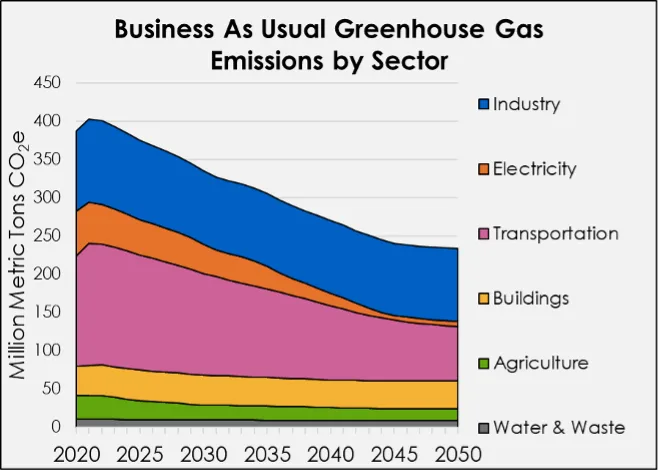
This week, Energy Innovation released new research evaluating California's climate progress and identifying a policy pathway that would reaffirm California as a climate leader. This modeling showed the state is off track for its 2030 and 2045 climate goals and must triple its historic emissions…

EI's Greg Alvarez explains that while hydrogen will be an important climate tool, the specifics of a project matter and some will do little to cut emissions, like one under consideration in Pennsylvania.
EI's Sara Baldwin explains the Biden Administration's recent executive actions focused on boosting American clean technology manufacturing could have a revolutionary effect.
EI's Mike O'Boyle explains California can make its grid cleaner and more reliable by diversifying its portfolio of clean energy sources.
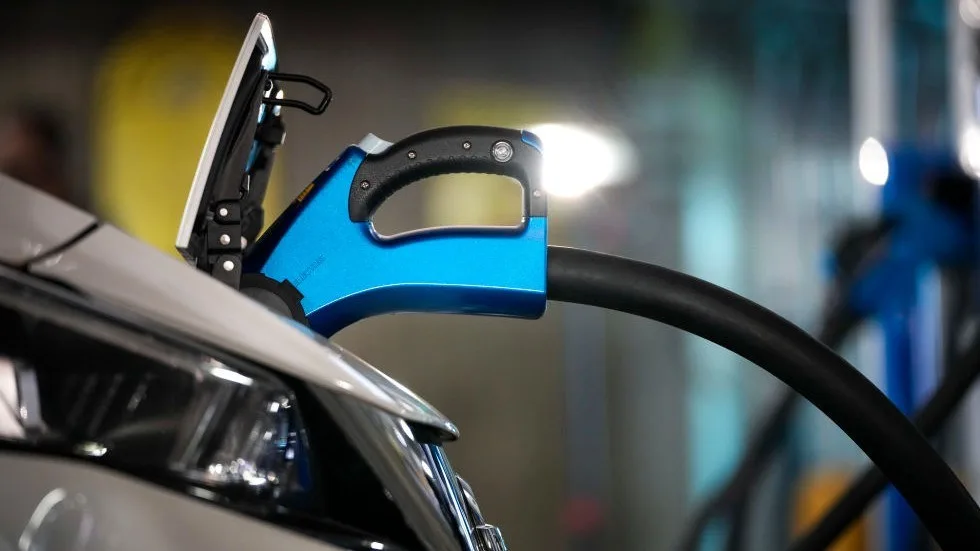
EI's Robbie Orvis explains EVs can help fight inflation and protect consumers from volatile gas prices, but further policy action is needed.
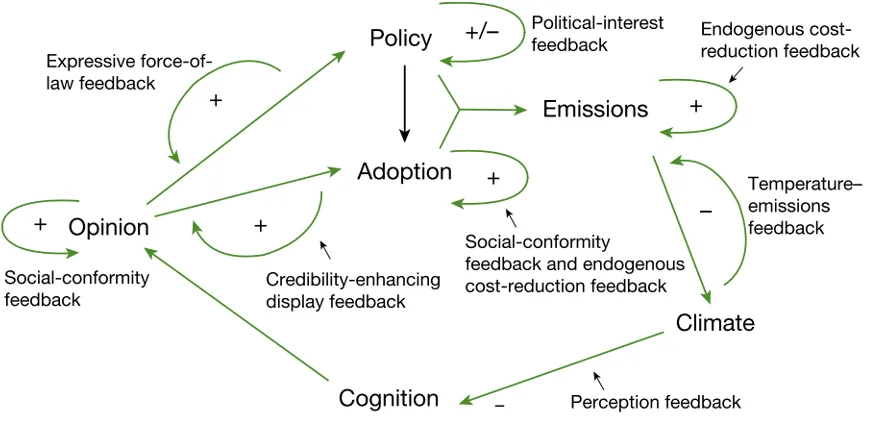
This research review explains new studies that demonstrate how incorporating social systems into climate models is important for creating realistic climate forecasts and making informed policy decisions.
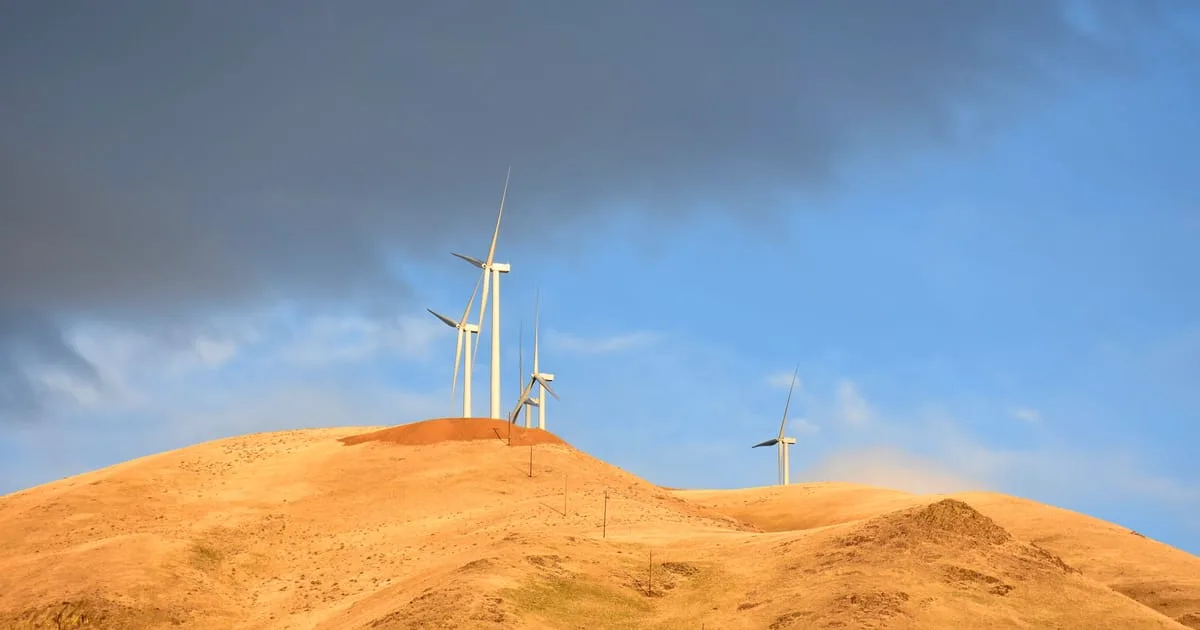
EI's Shelley Wenzel explains Oregon has long been a climate leader, but now is not the time for policymakers to rest on their laurels if the state is meet its greenhouse gas reduction goals.

EI's Hadley Tallackson explains that by creating structures for marginalized communities to generate their own renewable electricity, community-driven programs like RECs improve energy justice, but they need careful design to not worsen inequities.
EI's Eric Gimon explains California's grid can get more reliable the cleaner it gets, but policymakers need to take continued action to make it happen.
EI's Dan Esposito explains that California can set an example for other states with ambitious climate targets by cleaning its grid while reliably keeping the lights on.
