
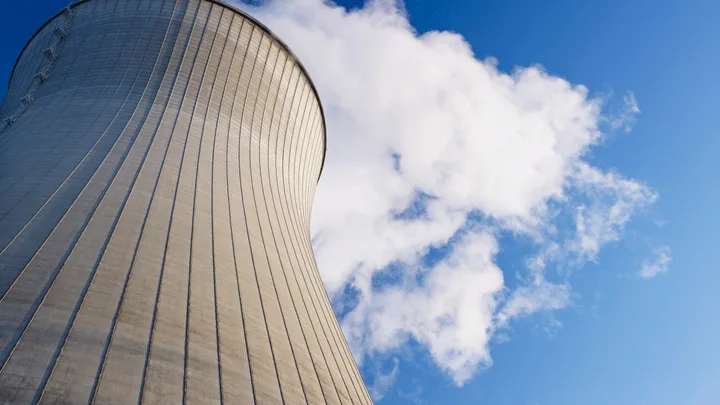
AI Data Centers Are Fueling a Nuclear Comeback
AI data center demand is reviving nuclear energy, but whether SMRs, plant restarts, and fusion can deliver enough power quickly remains uncertain.
Language
Articles published in English by the sources we follow.
1275 articles
AI data center demand is reviving nuclear energy, but whether SMRs, plant restarts, and fusion can deliver enough power quickly remains uncertain.
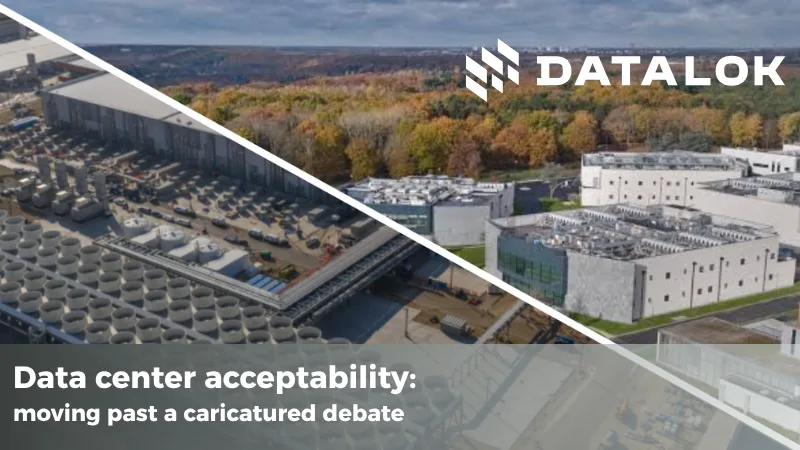
Moratorium, water, AI, "compute campus": why a European data center can't be judged like an American one, and what actually makes it acceptable.
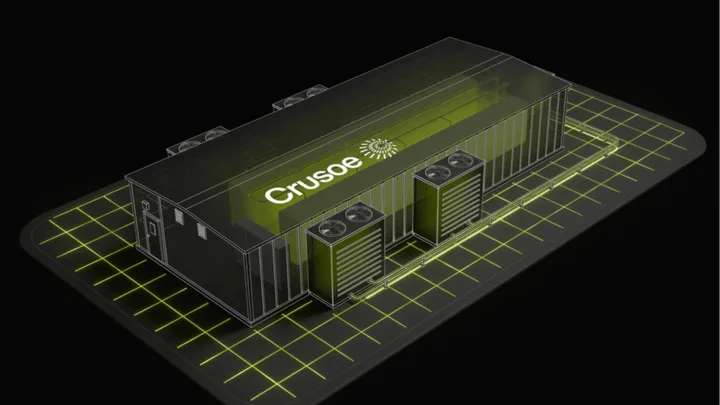
Crusoe's 3.5 MW Spark Liquid unit highlights how factory-built, modular data centers are becoming a faster path to AI capacity at scale.
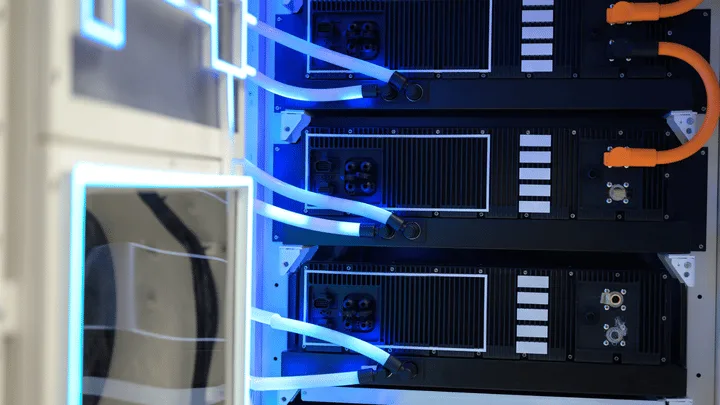
Liquid cooling changes data center operations by making precise, real-time measurement across both liquid and air environments essential.
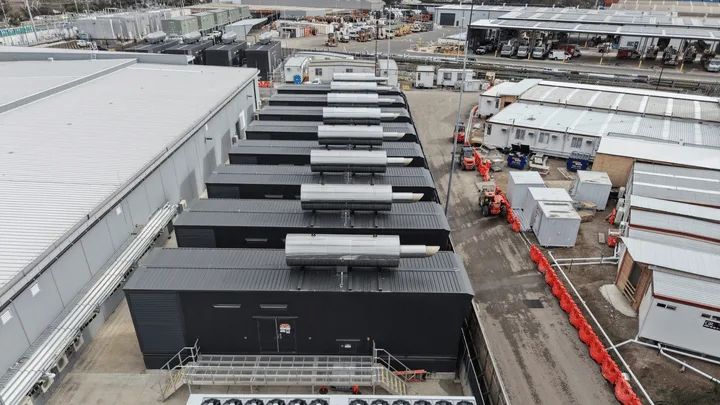
Trump’s onsite power push highlights a hard reality: most AI data centers will likely need hybrid energy strategies rather than fully off-grid designs.

Cloud infrastructure revenue reached $168 billion in the third quarter as providers brought higher-priced AI capacity online, reinforcing demand for new data centers even as power constraints slow delivery.
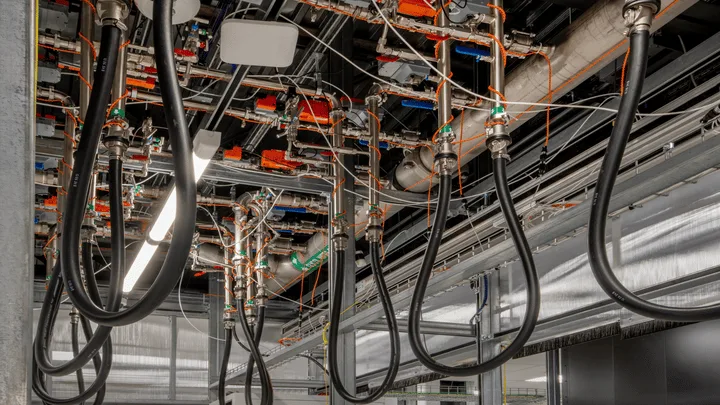
Liquid cooling retrofits can boost density and efficiency, but cost, downtime, and infrastructure limits mean they make sense only in select cases.

Edge AI may give telecoms a bigger AI role, with metro sites, not towers, emerging as the clearest near-term opportunity.
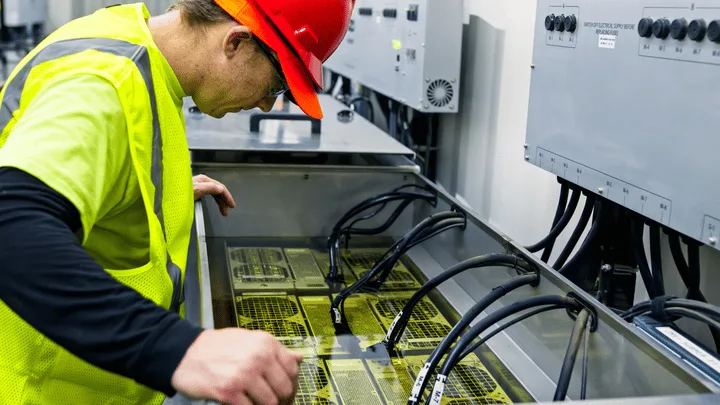
Data centers create relatively few permanent jobs, but they still rely on a small, skilled on-site workforce to keep facilities secure, powered, cooled, and running.
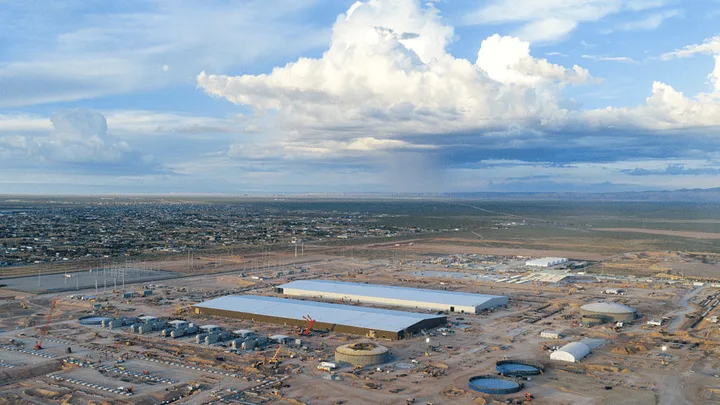
Nvidia and AMD are deepening chip partnerships to secure long-term AI infrastructure business as Meta expands AI compute spending.