
EI's Silvio Marcacci writes the Biden administration's move to phase out super-polluting hydrofluorocarbons could generate billions in new manufacturing revenue and help equalize the international trade imbalance.
EI's Mary Anne Hitt says personal losses during COVID remind us of the importance of avoiding dangerous climate change by enacting policies to cut emissions and add clean energy.
EI's Dan Esposito explains the benefits of a Clean Electricity Performance Program for Colorado, including $15 billion in new clean energy investment through 2030.
EI's Sara Baldwin explains why the budget reconciliation bill Congress is now considering offers a historic opportunity to dramatically reduce emissions from our buildings, while improving home efficiency, cutting bills, and creating hundreds of thousands of new jobs.

Research shows increasingly frequent, more intense wildfires in the Western U.S. will dramatically shift the landscape over the coming decades, resulting in the conversion of forests to shrublands, grasslands, or hardwood-dominated ecosystems before 2100, but strategies such as prescribed fires…
EI's Sarah Spengeman interviews ACORE CEO Greg Wetstone to learn about the complementary roles of new transmission alongside distributed clean energy resources to accelerate grid decarbonization while boosting grid resilience.
EI's Mike O'Boyle explains new research showing China does not need to build any of its planned new coal to provide reliability, but that the country can transition faster to clean energy without compromising reliability or affordability, even accounting for economic growth and widesp…
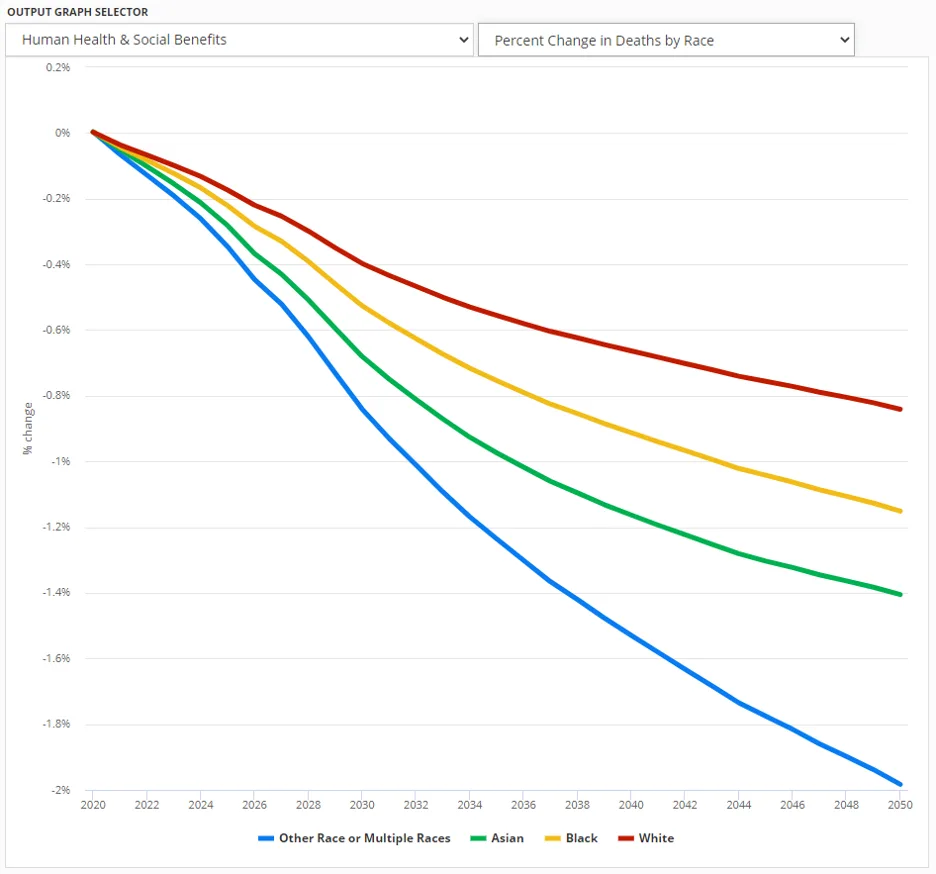
The United States Energy Policy Simulator 3.3 update builds on the previously released version 3.2.1 by adding demographic breakdowns of premature mortality, improving the user interface, and adding policies to address domestic manufacturing and nitrous oxide emissions, among other improvements.
EI's Dan Esposito highlights three reasons why a clean electricity standard should be a bipartisan policy including major benefits for red and purple states, protections for working families, and broad public and business support.

A critical tipping point for the Earth's climate is the potential transformation of the world’s largest tropical forests from carbon sinks into net sources of emissions, which has been challenging for researchers to predict. But now, groundbreaking studies analyzing observations from Amazonian and…
