
The 2029 mission will deploy rack-scale computing satellites, with cooling, autonomous recovery, and hardware longevity likely to determine whether orbital infrastructure can support commercial workloads.
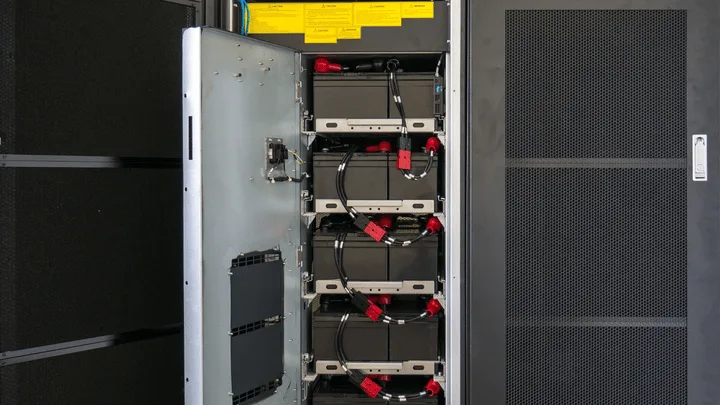
Data centers are exploring BESS, rack batteries, buffer modules, and microgrids as UPS alternatives, with hybrid backup designs often the most practical path.

Melbourne now leads Australia’s data center pipeline, but power connections will determine how much capacity actually comes online.
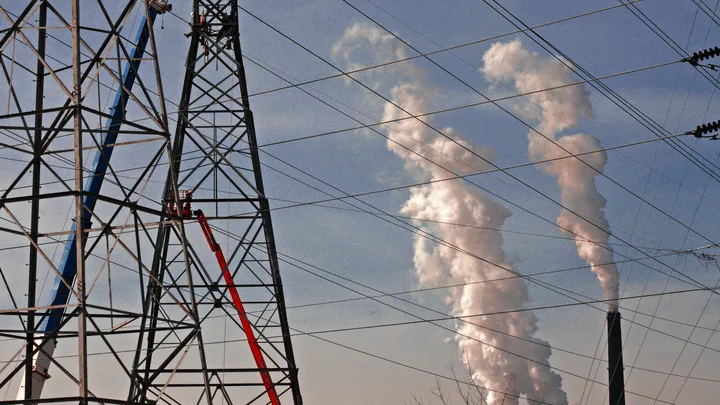
A Harvard-led study found that 403 US hyperscale data centers were tied to 25.7 million metric tons of CO2, with emissions largely driven by regional power grids.
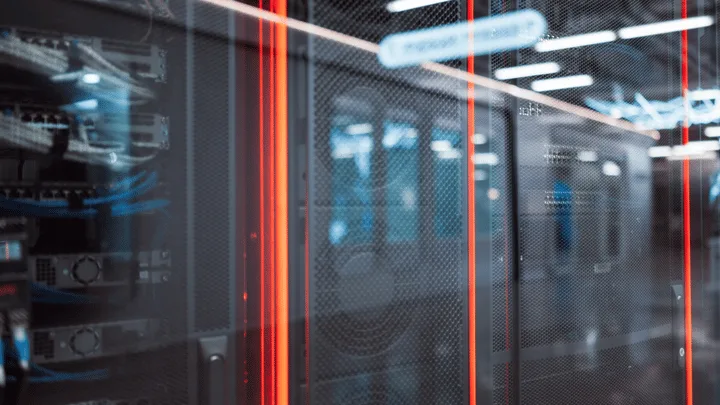
GPUs are shifting the colo vs. private data center decision toward power, speed, utilization, and sustainability – not just location, scale, and cost.
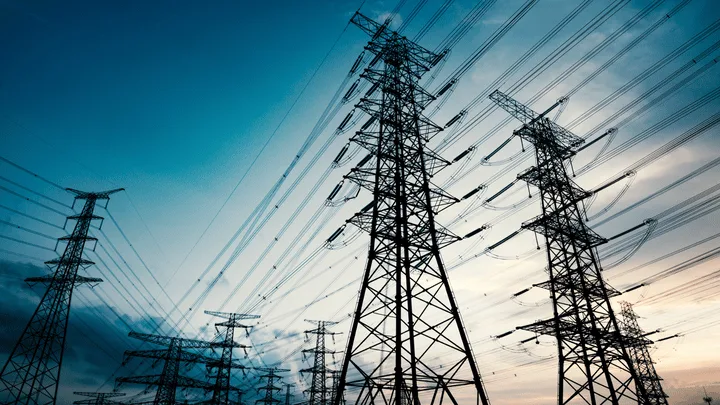
Power quality, not just grid access, is limiting AI growth at US data centers, exposing weaknesses in internal infrastructure and monitoring.
The chipmaker is committing $390 billion to suppliers while helping customers finance powered facilities for AI deployments.
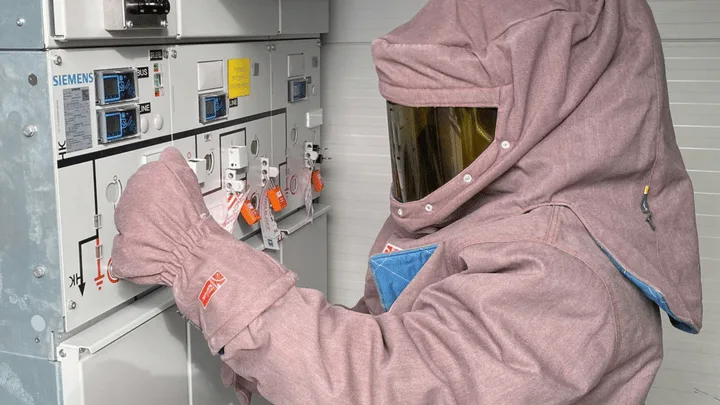
AI data centers are driving more direct high-voltage connections, making specialist HV commissioning essential for safe, reliable, and on-schedule delivery.
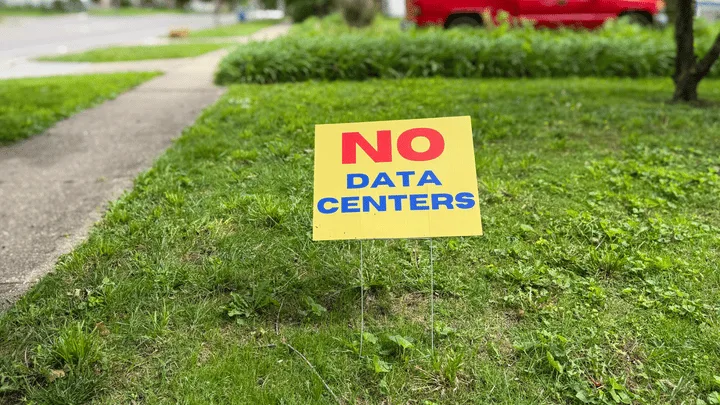
Developers face closer scrutiny of utility costs, water use, and local benefits as community concerns complicate approvals and investment decisions.