
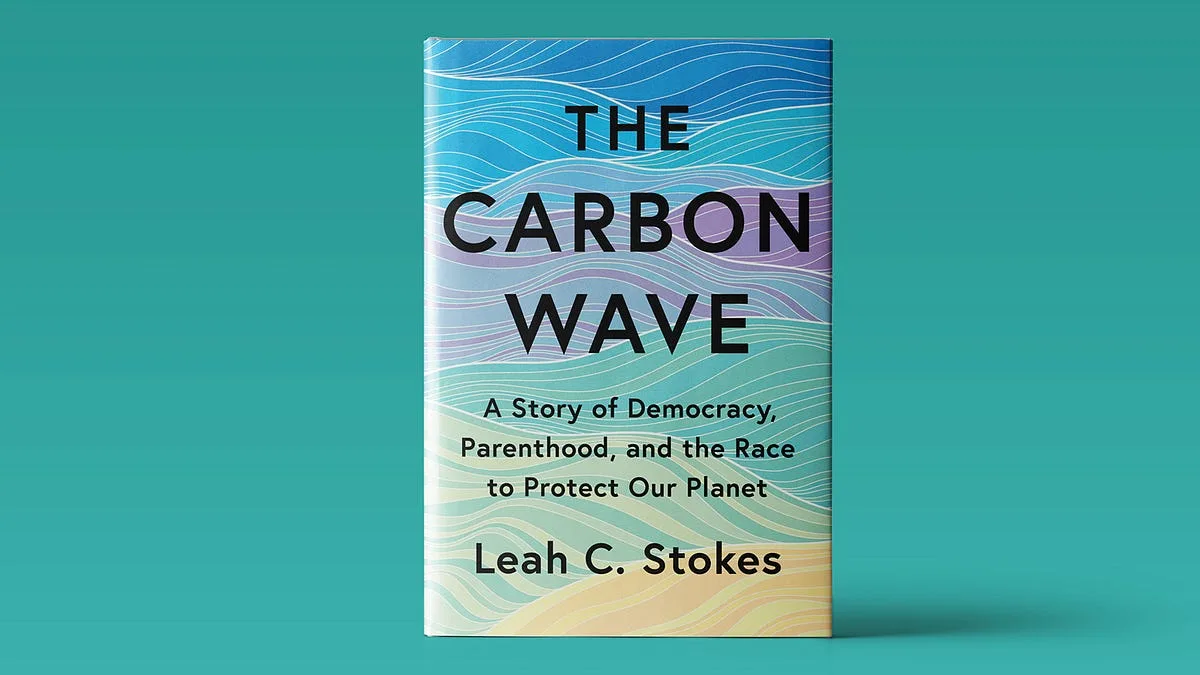
Writing About A Changing World: Q&A With Leah Stokes
Climate journalist Leah Stokes shares about her new book, becoming a mother, and covering a changing climate.
Source

396 articles
Climate journalist Leah Stokes shares about her new book, becoming a mother, and covering a changing climate.
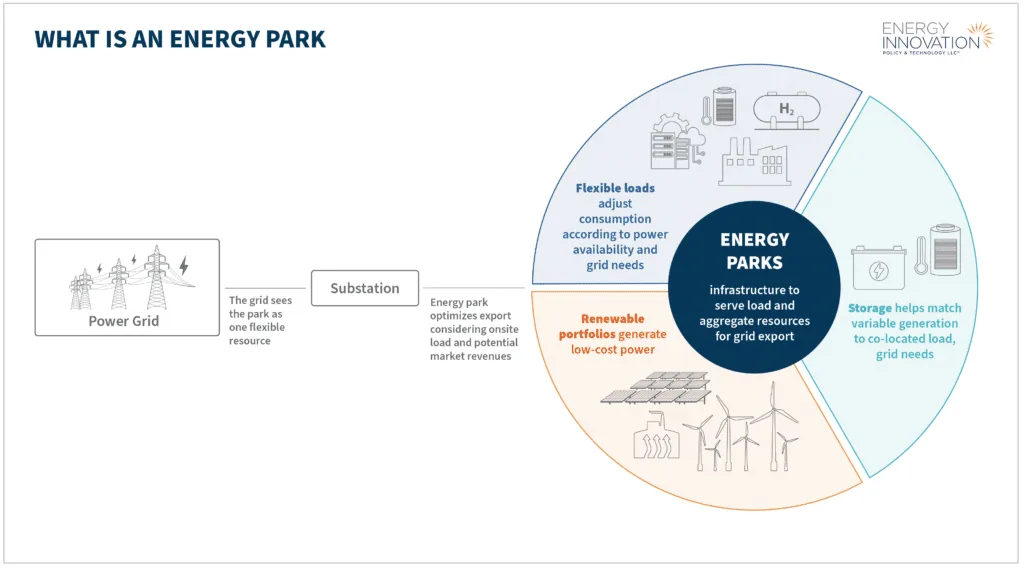
A growing body of research shows the fastest, cheapest, and most reliable way to power the AI era isn't more fossil fuels that cost customers and the climate. It's flexibility, storage, and clean generation brought directly by the customers driving the demand, increasingly known as Bring Your Own…
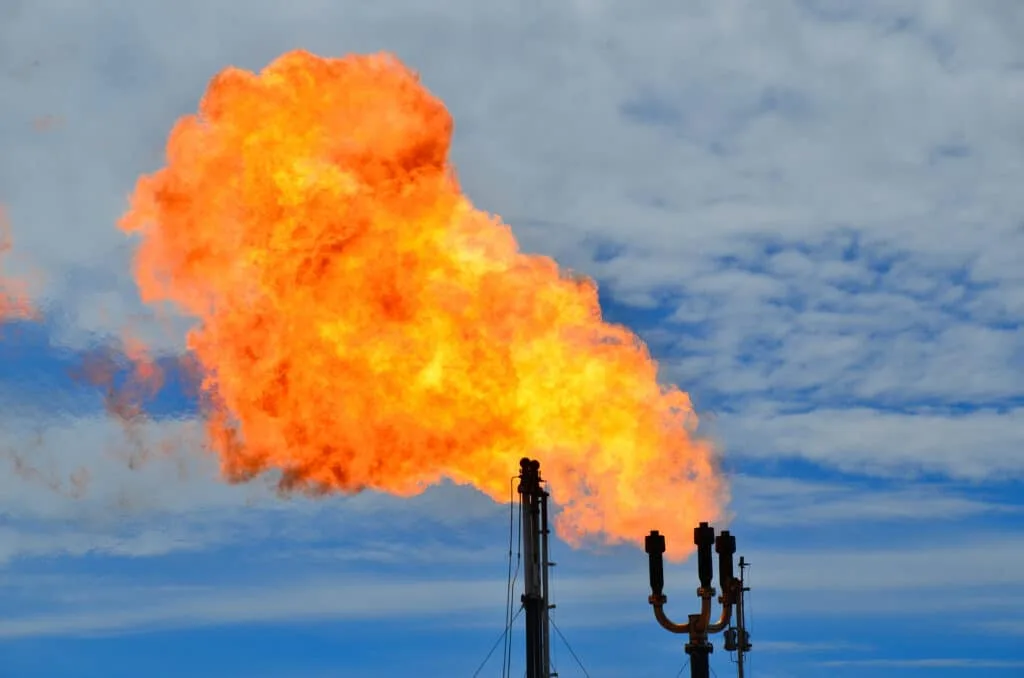
America’s natural gas prices are rising, sending household energy costs spiking along with them. Projections estimate that by 2027, they could jump another 30 percent as demand grows and the United States increases exports of domestic fuel to other countries.
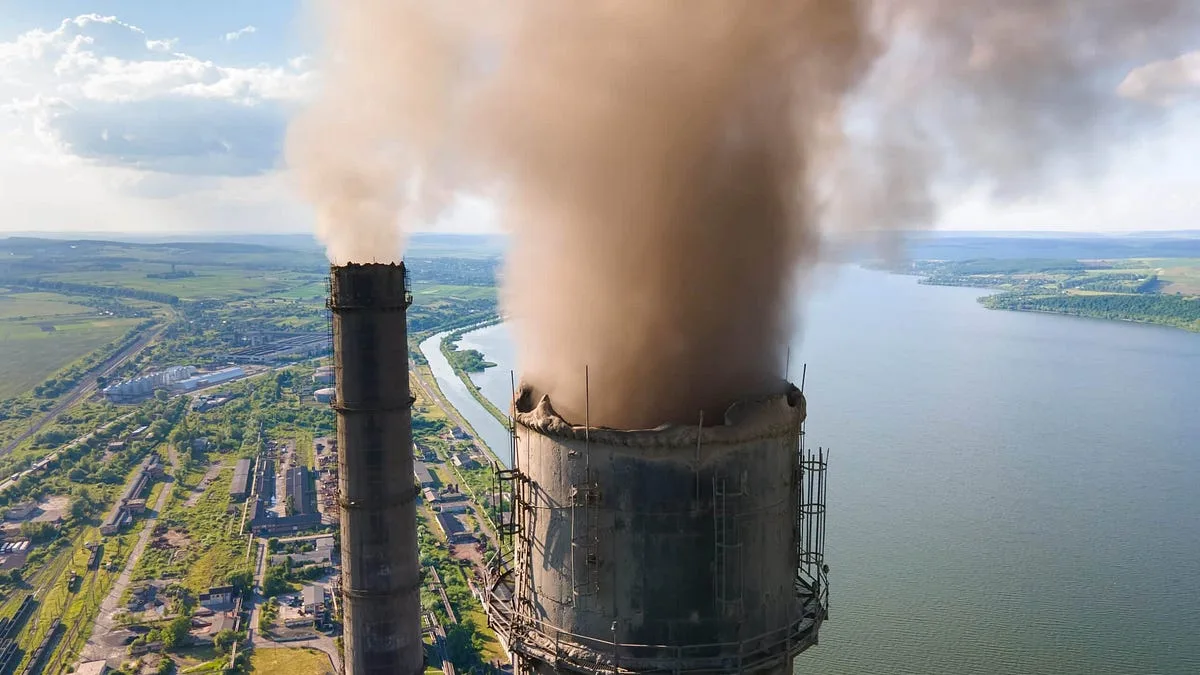
Federal policy decisions favoring natural gas and keeping coal plants open are forcing consumers to pay higher electricity bills.
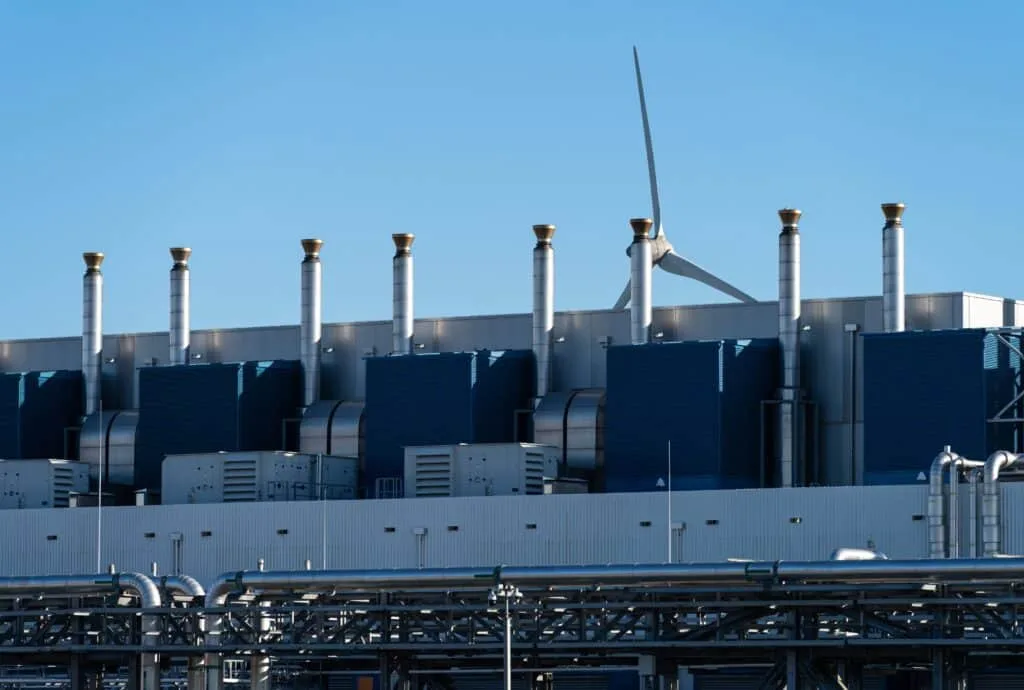
Consumers and government officials are increasingly worried America’s data center boom is a major reason for skyrocketing energy costs, thankfully there are a number of options for government officials to consider to ensure that the U.S meets the demand without harming customers.

Pollution could kill roughly 7,400 Americans every year for the next 15 years, and give 19,000 kids asthma and 170 adults lung cancer.
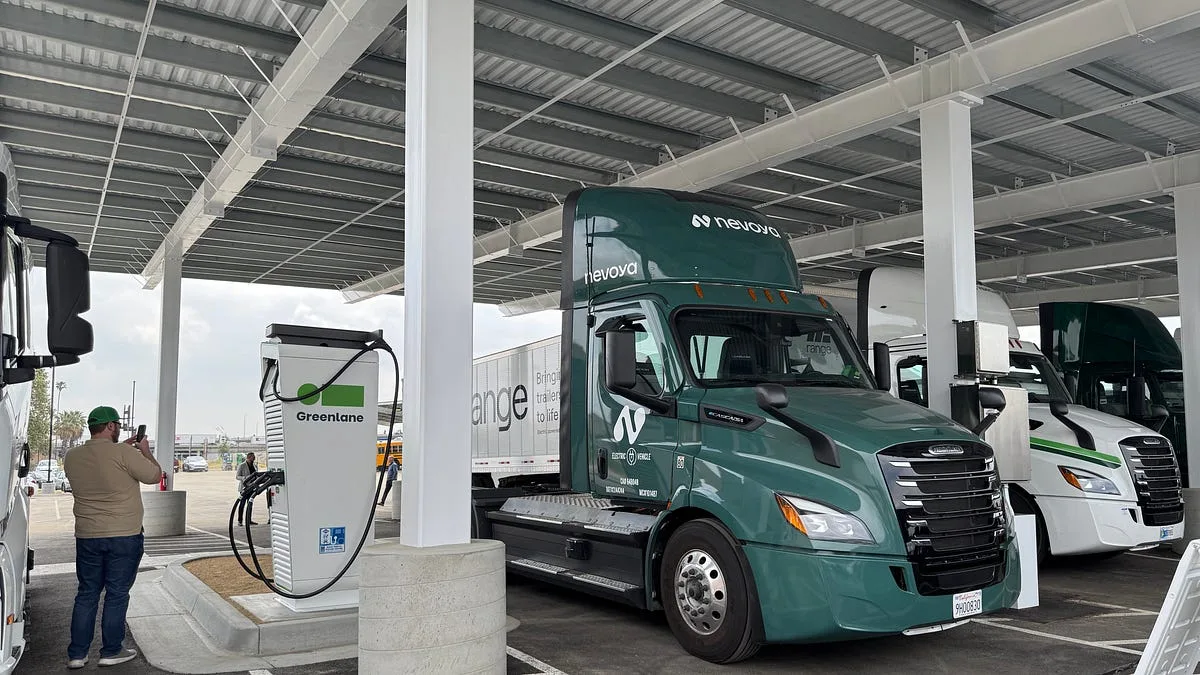
A fundamental piece of fighting the climate crisis involves cutting emissions by electrifying transportation — everything from commuter cars to heavy-duty trucks.
India's ultra-cheap solar and agricultural waste could combine with green hydrogen to produce sustainable aviation fuel cheaper than oil-based jet fuel within a decade.
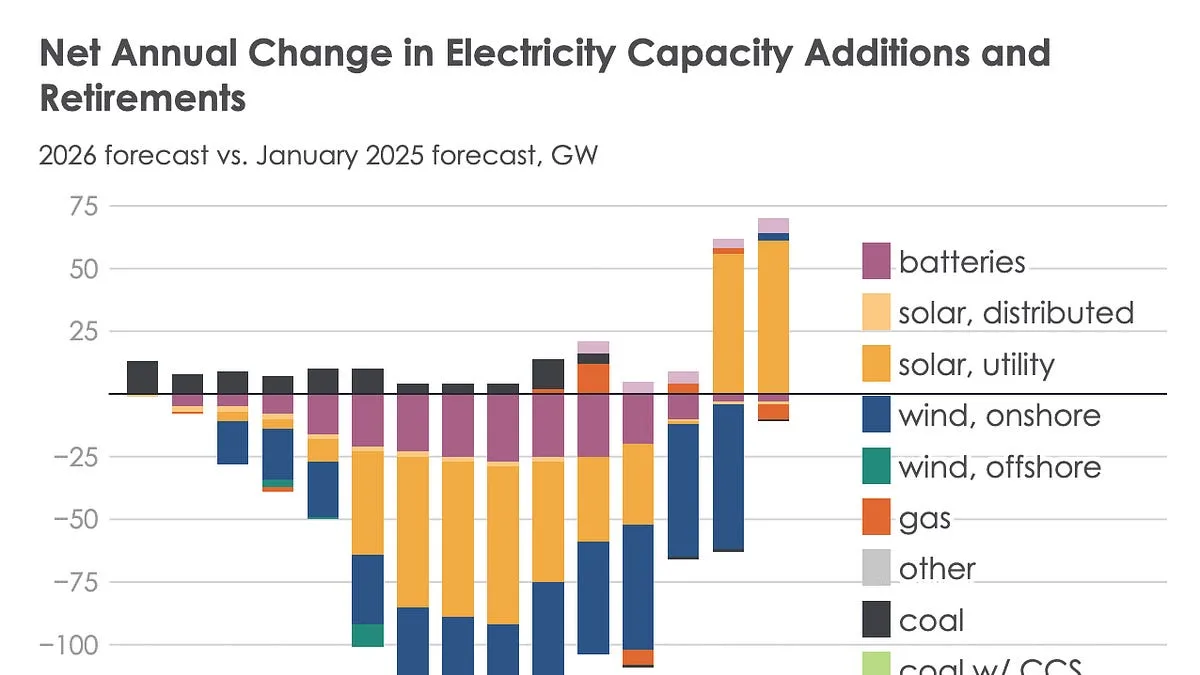
Our analysis predicts Americans’ energy bills will increase by up to $550 per year over the next 15 years, summing $4,500 per household over that span, or a cumulative $650 billion across the country…
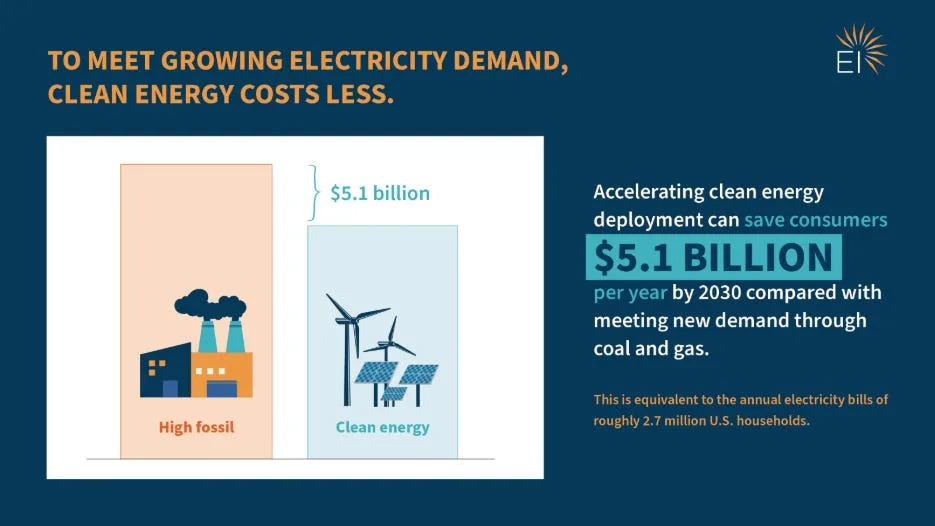
Clean energy can reliably meet the American economy’s insatiable demand for electricity, at lower costs than if we primarily rely on aging coal plants and volatile natural gas.