
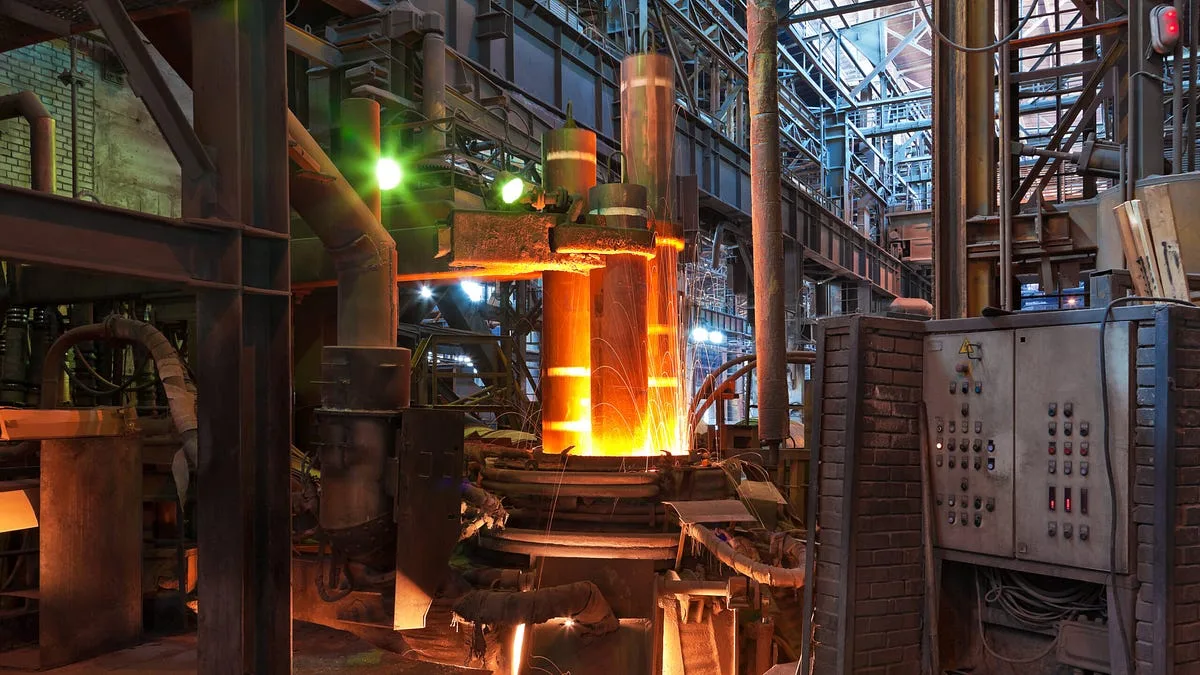
World Bank: East Asia’s $1.7 Trillion Clean Industry Opportunity
New report with the World Bank shows that decarbonizing industry can cut emissions and boost economies.
Source
396 articles
New report with the World Bank shows that decarbonizing industry can cut emissions and boost economies.

The World Bank says clean industry is a $70 billion annual investment opportunity in China, Indonesia, and Viet Nam.
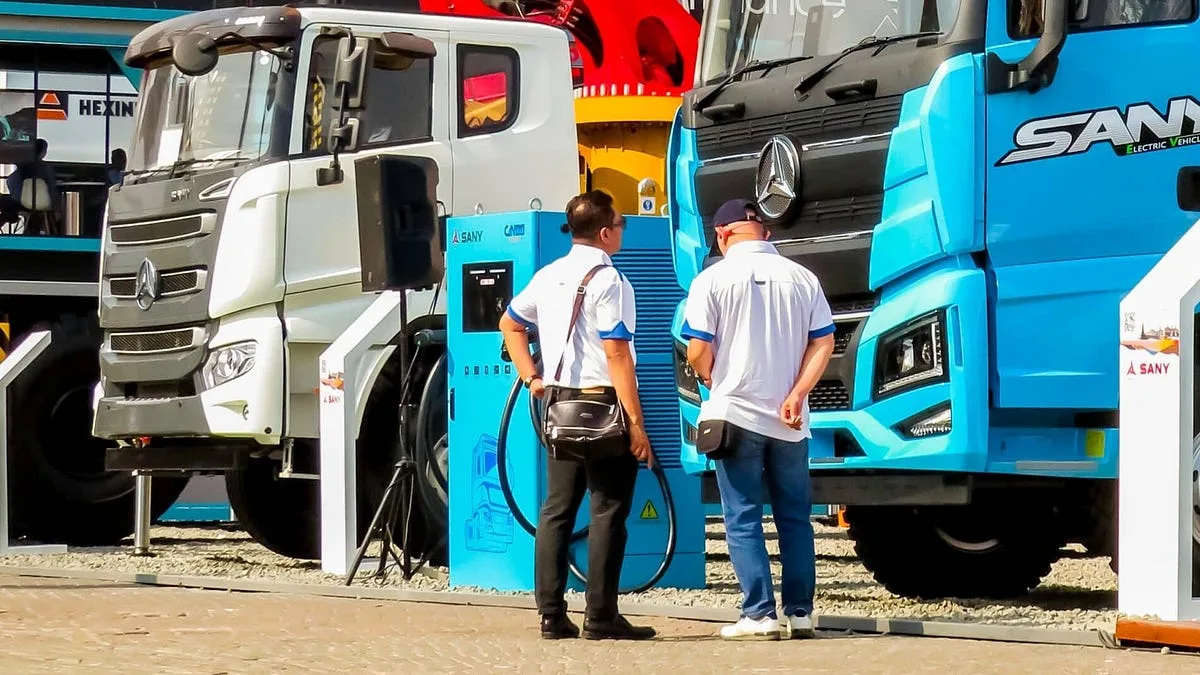
In May, California joined with ten other states to launch the Affordable Clean Cars Coalition under the banner of the U.S. Climate Alliance.
Tax credits for large clean energy projects are now set to end after 2027, and similar credits for smaller projects on households and businesses will disappear at the end of 2025.
Today, only 4 percent of U.S. renewable energy is located on federal lands, but over 23 million acres of federal land is leased for oil and gas extraction.
Repealing the federal clean energy incentives will result in a loss of 340 gigawatts of electricity capacity by 2035.
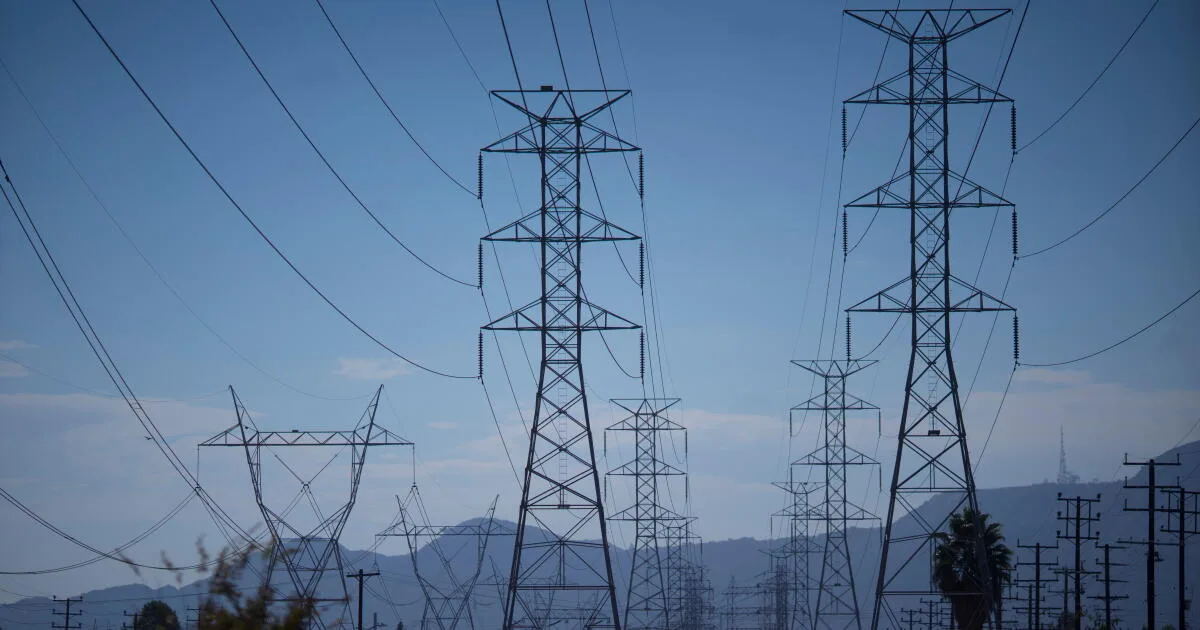
In California, the removal of clean energy incentives would spike electricity rates by 7-11% by 2035, raising household costs by $320 per year.
The most effective way to maintain grid reliability is to let planners plan, markets work and utilities build the resources they've identified.

This bill repeals tax credits that incentivize developers to invest in domestic energy; the biggest losers are wind and solar.
Renewable energy has generated more power than natural gas because it provides cheap and fast electricity to meet demand.