
This post is the third in a series titled “Real Talk on Reliability,” which will examine the reliability needs of our grid as we move toward 100 percent clean electricity and electrify more end-uses on the path to a climate stable future. It was written by Michelle Solomon, Senior Policy Analyst in…

EI's Dan Esposito argues that electrolyzers incentives must mandate clean power usage to prevent 'clean' hydrogen from worsening climate change.
EI's Dan Esposito discusses how $7 billion in DOE funds for hydrogen hubs are intended to fight climate change, but could increase pollution unless Treasury gets the 45V tax credit right.
EI's Dan Esposito explains the way the Treasury Department designs hydrogen tax credit rules will determine if they're a useful tool to combat climate change, or if they'll actually increase emissions.
EI's Silvio Marcacci explains that guidance on a tax credit for hydrogen will determine whether it actually increases greenhouse gas pollution or is a useful tool to combat climate change.
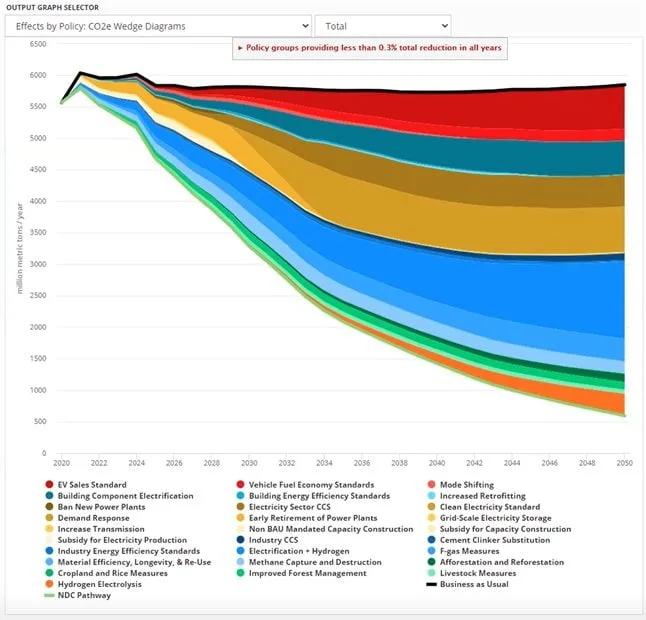
An overview of how the Energy Policy Simulator works and what peer review it undergoes during model development.
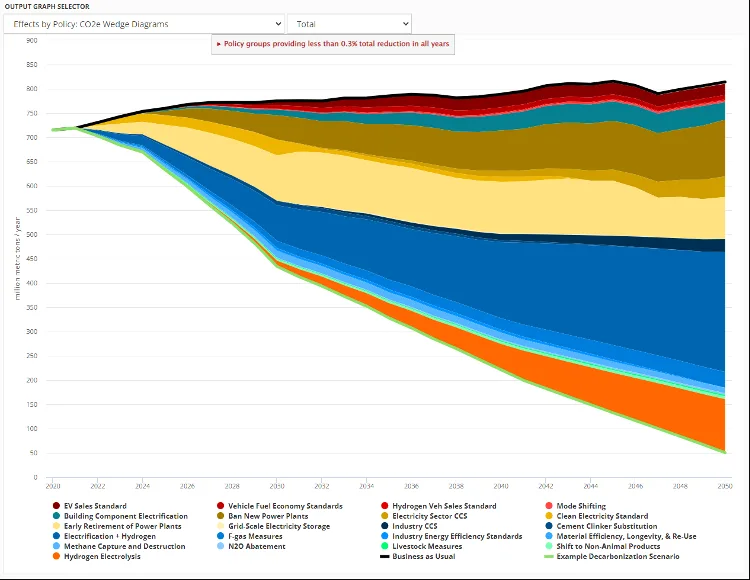
Energy Innovation Policy and Technology LLC® has launched a new South Korea EPS model in partnership with the NEXT Group and updated the Mexico and India Energy Policy Simulator (EPS) models. The Mexico EPS was upgraded to the 3.3.1 platform to enable forecasting changes in jobs, gross domestic…
EI's Dan Esposito and Hadley Tallackson report Inflation Reduction Act incentives make green hydrogen the cheapest form of the fuel, upending natural gas economics.
EI's Eric Gimon explains green hydrogen can provide crucial flexibility that's needed as we transition to an electric grid with high-renewable energy penetration.
EI's Greg Alvarez explains that while hydrogen will be an important climate tool, the specifics of a project matter and some will do little to cut emissions, like one under consideration in Pennsylvania.
