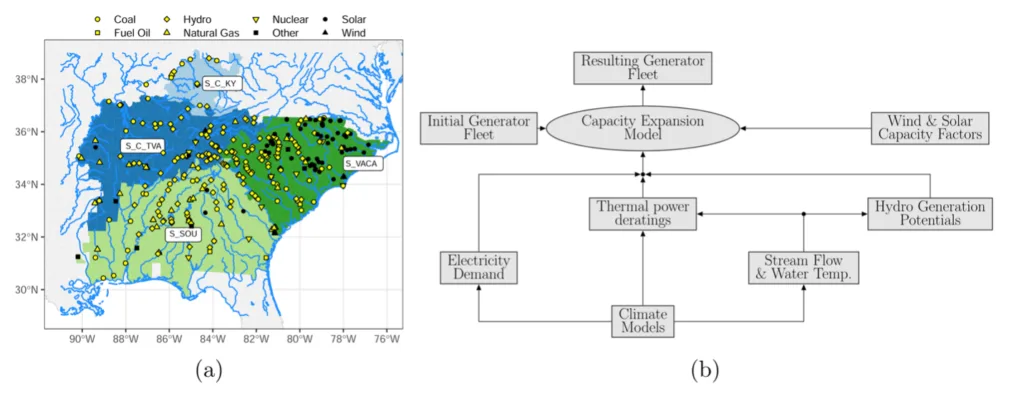
Given the long lifespans of power system investments, planning should start incorporating climate change effects. A new study provides a valuable example of an approach to more comprehensively integrate climate risks in long-term electricity planning. This work also illustrates an important win-win…

EI's Sara Baldwin explains why the American Jobs Plan's proposed $213 billion investment to build and retrofit 2 million affordable and sustainable places to live, including building 1 million new electrified homes, would put Americans to work and curb rising utility bills for consumers, while also…
EI's Eric Gimon explains how the American Jobs Plan's investments in inter-regional electric transmission would position the U.S. for success in the 21st century, create hundreds of thousands of jobs for the folks that build it, while providing cheaper, cleaner electricity, and bolstering…
EI's Chris Busch explains new research finding the total cost of ownership of used electric vehicles is less expensive than the total cost of ownership of a similar used gas car and how California can leverage this surprising affordability to achieve multiple economic, public health, climate, and…
EI's Dan Esposito and Mike O'Boyle explain why an 80 percent by 2030 clean electricity standard would stimulate $1.5 trillion in new investment broadly distributed across every region of the United States, while dramatically improving air quality and public health, and without raising electricity…
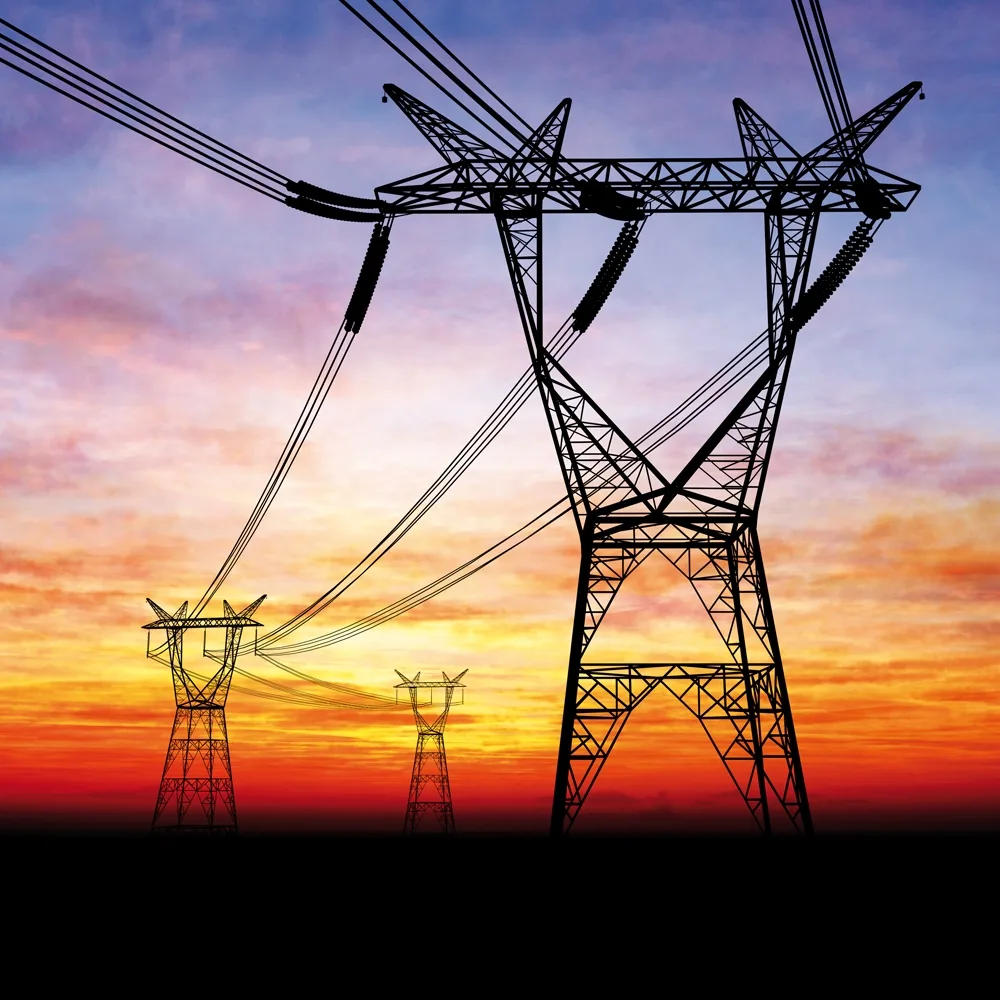
In the third in a three-part series, EI's Dan Esposito and Eric Gimon outline lessons learned from the Texas Big Freeze, and policy prescriptions for regulators and government officials across the U.S. to prepare for extreme weather-related grid disasters.
In the second in a three-part series, EI's Dan Esposito and Eric Gimon explain how ERCOT market design and operation failed to prepare for the Texas Big Freeze and exacerbated the crisis when it hit.
In the first in a three-part series, EI's Dan Esposito and Eric Gimon explain why natural gas failures, poor planning, and lack of demand management were primary causes of the Texas Big Freeze and why durable solutions must look beyond fossil fuels.
EI modeling with RMI shows ambitious decarbonization of Colorado's electricity, transportation, industry, building, and land-use sectors can help limit warming to 1.5 degrees Celsius while adding more than 20,000 new jobs and $3.5 billion in economic activity per year by 2030.
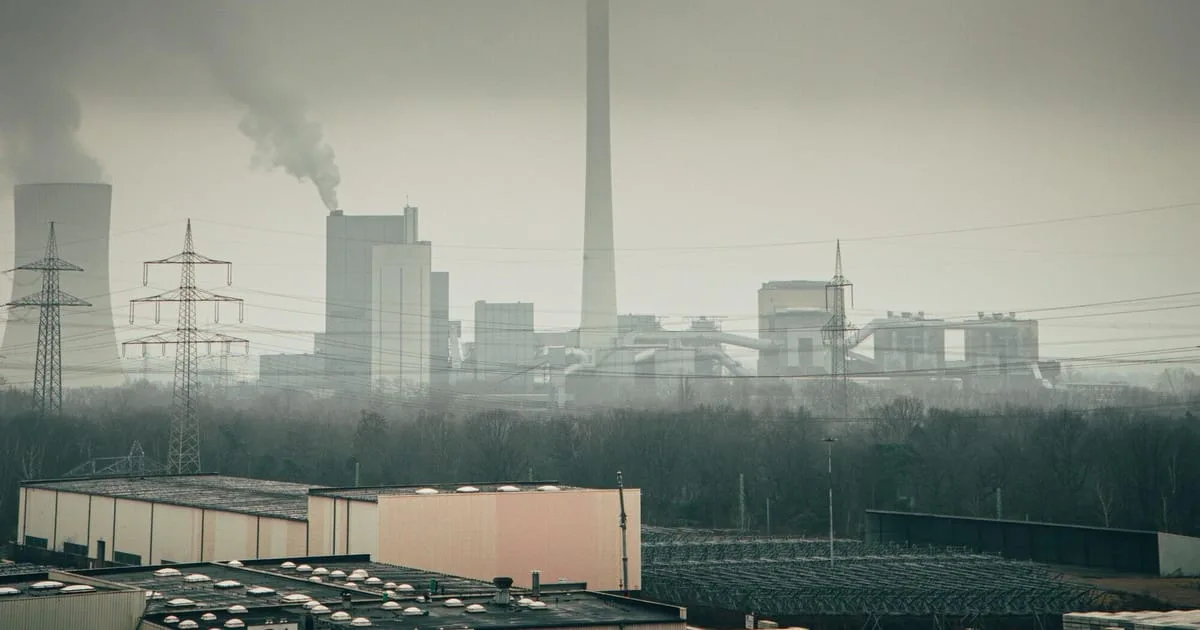
EI analysts outline how worsening economics have made running 80% of the U.S. coal fleet uneconomic compared to replacement with new local renewables, and how policymakers can plan for the transition.
