
EI's Amanda Myers says without strong policy to reach 100 percent EV sales and 90 percent clean electricity targets, like strong national fuel economy and tailpipe emissions standards, Americans will forgo the significant benefits of vehicle electrification and miss the chance to steer towards a…
EI's Sara Baldwin says updates to building codes and processes to better support electrification are urgently needed and would cut emissions from the buildings sector, avoid dangerous climate change, and improve health and equity.
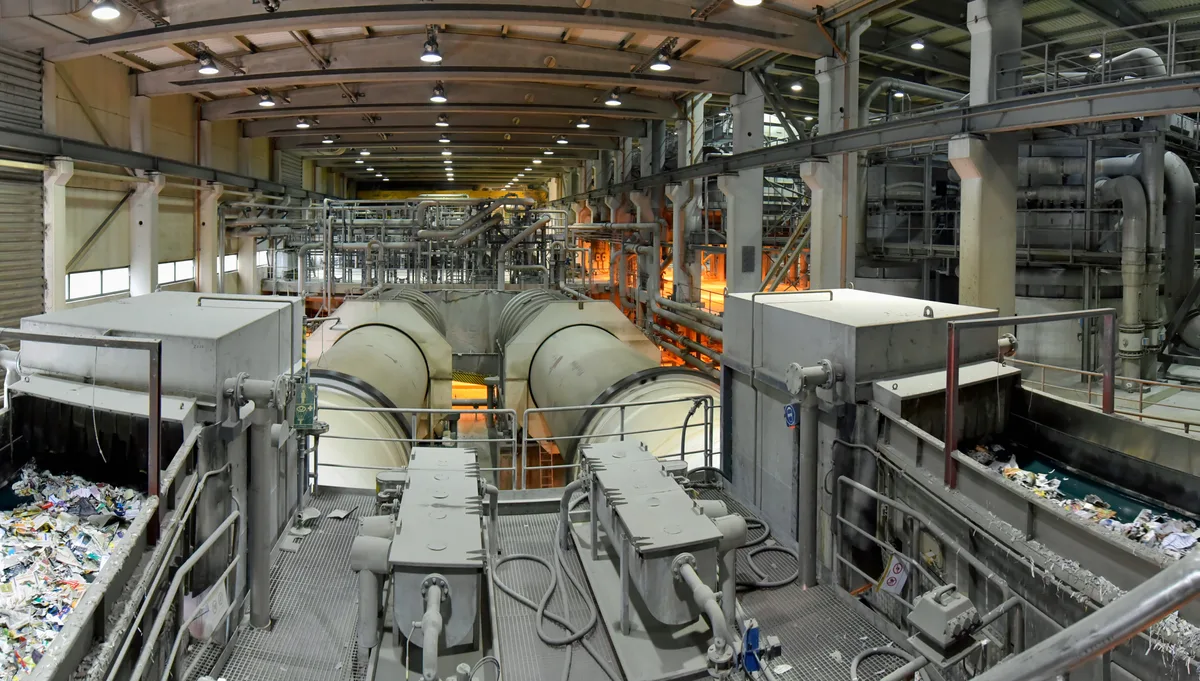
EI's Sara Baldwin explains why focusing on electrification in just thirteen top industries could deliver deep emissions reductions, and how smart policies can jumpstart low-carbon technology adoption and reduce electric costs.
EI's Silvio Marcacci explains a new study that finds electric trucks could be 50% cheaper than for diesel trucks by 2030, generating billions in savings and cutting harmful air pollution that disproportionately impacts low-income communities.
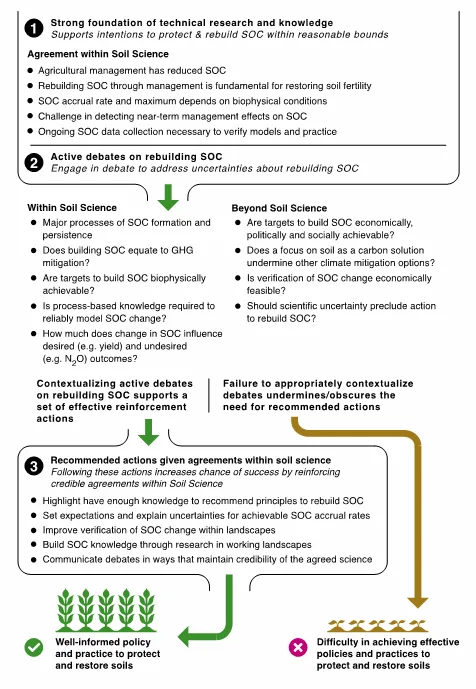
Soil scientists disagree about whether soil carbon sequestration can effectively help decarbonize the atmosphere, but this debate does not undermine the substantive body of science supporting immediate, widespread adoption of practices protecting and restoring soil carbon.

EI's Mike O'Boyle says a clean electricity standard is an investment signal, setting a minimum requirement for how much utilities must spend on clean power that grows each year and a job creator in both Democratic and Republican states.
EI's Sarah Spengeman explains new modeling that shows how Nevada can achieve its climate goals, create thousands of good-paying jobs, and add millions to the economy every year by adopting a set of strategic, clean energy policies that align with a global goal to limit warming to 1.5°C.
EI's Silvio Marcacci outlines China's carbon neutral opportunity of economic growth from accelerating its climate ambition and carbon peaking target.
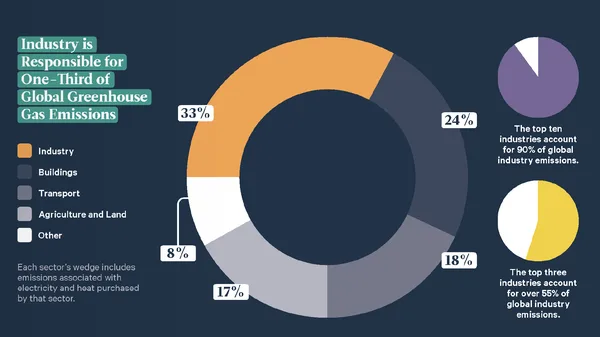
EI's Jeff Rissman says to decarbonize, industry should design longer-lasting, lower-carbon materials and make their processes more efficient, but policy is required to support research and development and help incentivize a transition to zero-carbon energy.
EI's Silvio Marcacci explains why delaying ambitious policies to cut emissions by just ten years would cost the U.S. economy $3.5 trillion, and why enacting economy-wide clean energy policies now is the smarter choice.
